
Harvest Season
| Varietal(s) | Catuai, Caturra |
|---|---|
| Processing | Fully Washed |
| Roast Level | Light Medium |
| Caffeine | Fully caffeinated |
Roast Notes
Light-medium to preserve the bright citrus — peaberries roast evenly thanks to their round structure, but the window between orange and generic roast character is maybe fifteen seconds wide
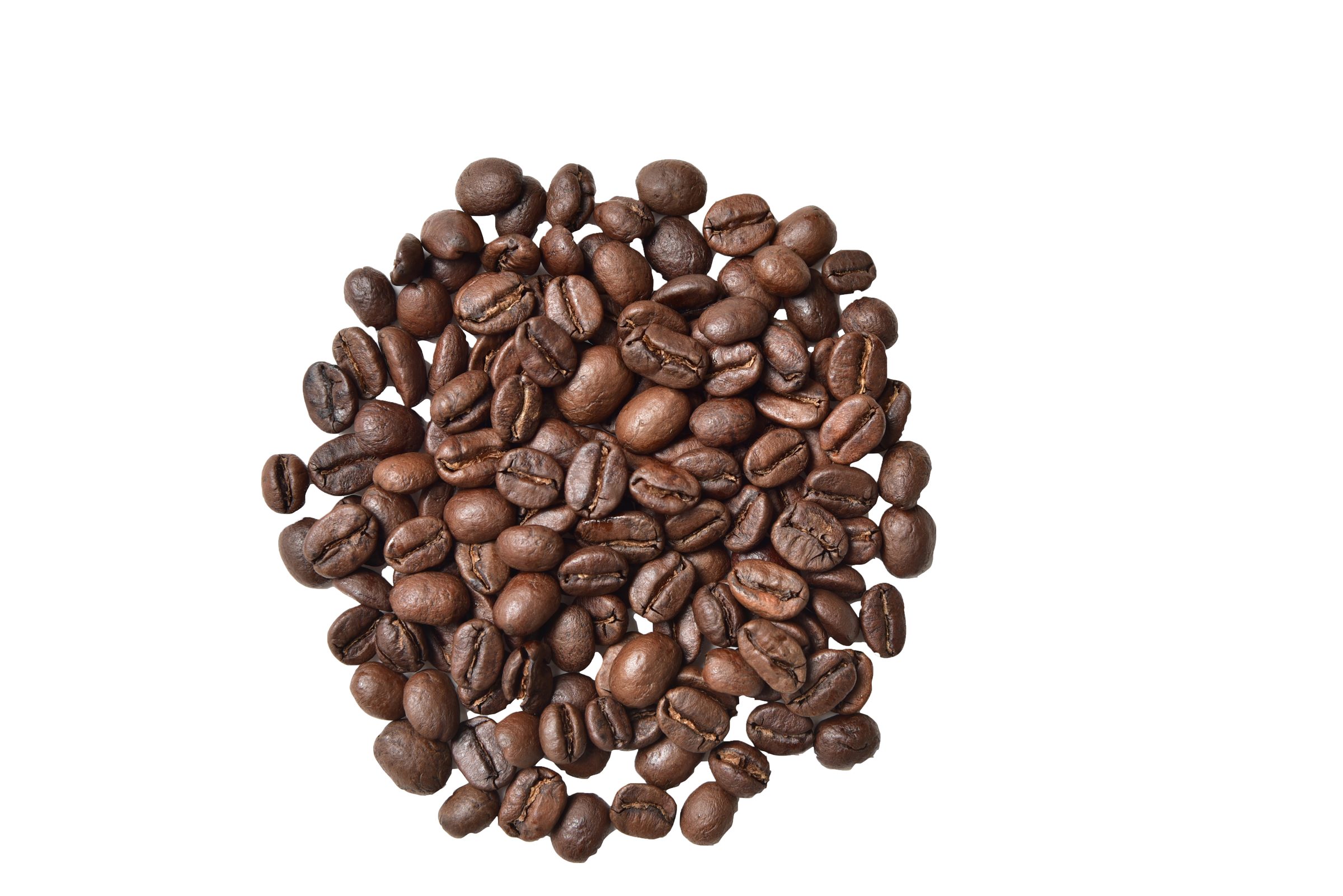
The peaberry is a rounding error. Five percent of any given harvest, give or take — a natural mutation where the coffee cherry produces a single round bean instead of the usual pair of flat-sided twins. In Spanish they call it caracolillo, little snail, which is either charming or mildly insulting depending on how you feel about snails. The mutation means one seed gets everything the cherry was supposed to split between two: all the sugar, all the oils, all the flavor precursors that make a great coffee what it is. The result is denser, rounder, and — when the roaster gets it right — more concentrated than anything else the tree produces. Five percent of the cherries, sorted out by screens and hand, sold at a premium, roasted with care. If you’re wondering whether it actually matters or whether this is just another thing coffee people say to justify a higher price, the answer is: it matters. I’ve cupped the flat-bean version of the same lot. The peaberry is brighter, cleaner, more precise. The orange is oranger. The chocolate is chocolatier. The cashew tastes like someone is actually making cashew butter.
This particular five percent comes from CoopeDota R.L. in Santa María de Dota, Costa Rica — a cooperative founded in 1960 by farmers who decided they’d rather process their own cherry than sell to the big mills down the mountain. Sixty-five years later, CoopeDota runs the world’s first carbon-neutral coffee mill, certified in 2011: every kilowatt of hydro-powered electricity, every liter of recycled water through their eco-pulpers, every parchment-fueled mechanical dryer, and even the coffee’s journey to the port has been accounted for and offset. They didn’t do it for the press release. They did it because Santa María de Dota sits in a high-altitude bowl in the Talamanca mountains, surrounded by cloud forest, and the farmers who live there don’t want to be the reason it disappears. The cooperative’s general manager, Christian Chinchilla, calls the model “income diversification” — a polite way of saying nine hundred smallholder families figured out how to survive coffee’s price swings by building an entire local economy around a processing mill.
The coffee grows at 1,550 to 1,950 meters on volcanic loam — Catuai and Caturra varieties, fully washed through hydro-powered demucilagers, sun-dried on patios and finished in mechanical dryers fueled by the very parchment stripped off the beans. After drying, it rests a minimum of one month in silos before final milling — the kind of patience industrial coffee skips and specialty coffee depends on. Peaberries are sorted by size and density; they’re rounder, so they fall through different screens. What lands in the AA grade is the largest, most uniform peaberry you can get.
“The peaberry is a rounding error. Five percent of the harvest, a single round bean where the flat-sided twin should be. And it’s almost always better than the regular stuff. Nature’s quality control, accidentally.”
In the cup, this coffee does not mess around. The first note is orange — not candy, not zest, but fresh segments, juicy and bright, the kind of citrus that makes you blink. Sweet cinnamon follows immediately, warm and baking-spice sweet without tipping into pumpkin-spice territory. Then cashew — specifically cashew butter, creamy and rich and faintly savory, the way it adds weight to a smoothie. Bittersweet chocolate anchors the finish, clean and lasting, with a subtle rhubarb-raspberry tartness that keeps the whole thing from feeling too comfortable. The body is medium-creamy. The acidity is bright but balanced — high-altitude Costa Rican citric, the kind that reads as “sparkling” rather than “sour.”
I roast this to a light-medium. Costa Rican washed coffees at this altitude have enough density to handle the heat, but the peaberry’s round, uniform structure means it roasts more evenly than flat beans. No flat spots. No scorched edges. First crack sounds like a string of tiny firecrackers, and I pull it just as the development sugars caramelize. Push too far and you bury the orange. Undershoot and the cashew turns to raw peanut. The window is maybe fifteen seconds wide. After fifteen years, I’ve learned to listen for it.
Brew on pour-over — V60 for clarity, Chemex for a rounder cup, Aeropress with a two-minute steep to bring the cashew butter forward in a way I don’t understand but won’t argue with. This is not a French press coffee. It’s a pour-over coffee that wants you to pay attention.
CoopeDota represents what the best of Costa Rican coffee has been doing for decades: building infrastructure that outlasts market cycles, investing in processing technology that protects the environment by design, and trusting that if you treat the land and the people right, the coffee will sell itself. The peaberry is just the five percent bonus — nature’s quality control, accidentally sorting out the most concentrated beans for the mill workers to catch on the right screen. The flat beans are still excellent. They’re not this.
Contour Coffee has been roasting in Lakewood, Colorado since 1979. I’ve spent fifteen of those years chasing coffees that make me stop and think — not because they’re rare, necessarily, but because they’re good in a way that demands an explanation. The Costa Rica Dota Peaberry is both. Five percent of the harvest, from a carbon-neutral cooperative in the Talamanca mountains, tasting like orange and cinnamon and cashew and chocolate. Open the bag and tell me the little snail wasn’t worth it.
Roasting Guidance
This is a specialty-grade green coffee. We recommend targeting 400–420°F charge temperature and aiming for City+ to Full City for a balanced cup that honours the origin character. First crack typically appears around 385–395°F (varies by roaster type and drum speed). Development time: 1:00–1:45 after first crack.
Light-medium to preserve the bright citrus — peaberries roast evenly thanks to their round structure, but the window between orange and generic roast character is maybe fifteen seconds wide