Harvest Season
| Varietal(s) | Typica, Catimor |
|---|---|
| Processing | Giling Basah |
| Roast Level | Dark |
| Caffeine | Fully caffeinated |
Roast Notes
French roast side of dark — take Mandheling beans past second crack into deep, intense territory. The chocolate turns to dark, brooding cocoa, the cedar and tobacco emerge from the smoke, and the earthiness that Giling Basah is famous for anchors everything. The body hits like a fist and the finish keeps smoldering long after the cup is empty. Not for the timid.
The Mandheling we roast at our standard dark profile is already a lot of coffee. Heavy body. Chocolate and sweet tobacco. Cedar lurking underneath. The kind of cup that sits in your mouth and refuses to leave. Most people stop there. We wondered what would happen if we didn’t.
Sumatra Dark Roast is that experiment, committed. Same beans — Typica and Catimor from smallholder farms perched between 750 and 1,500 meters around Lake Toba, wet-hulled through Giling Basah, dried on volcanic soil that’s been accumulating ash since the Toba supereruption 74,000 years ago. Same origin story. Same farmers. Same process. The only variable is the roaster.
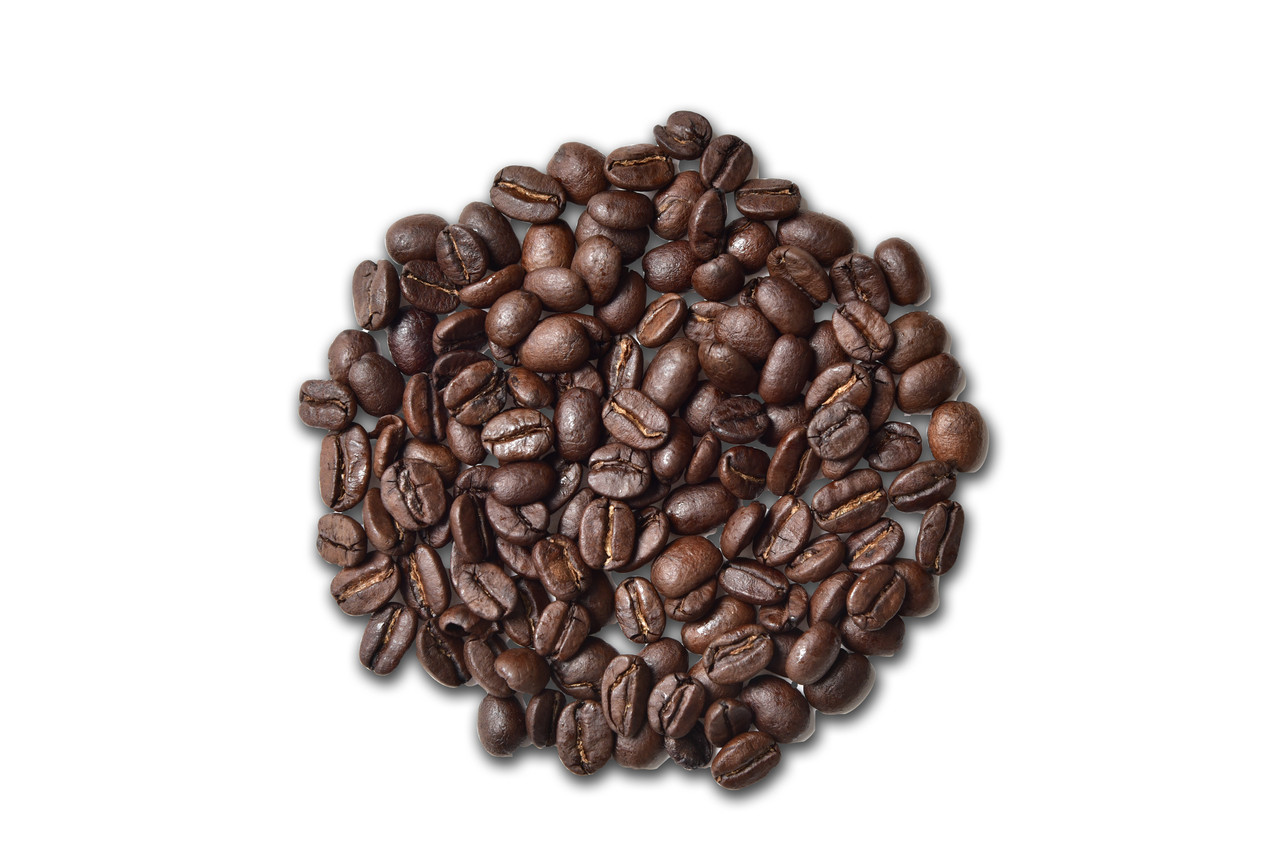
We take it past second crack and keep going — into the territory where most roasters get nervous, where oils bead on the surface and the beans go quiet before the smoke rises. This is the French roast side of dark, where Mandheling’s chocolate turns from milk-chocolate-sweet to deep, brooding dark cocoa, where the cedar and tobacco notes that merely whispered in the standard roast step forward and announce themselves, where the earthiness that Giling Basah is famous for becomes the structural backbone of the entire cup.
“Most people stop at dark. We kept going. What’s on the other side isn’t for everyone — and that’s exactly the point.”
In the cup, dark chocolate leads — not sweet, not milky, but the kind of dark chocolate you get from an 85% bar, where the cocoa is more mineral than sugar. Tobacco follows, that rich, aromatic quality that good Sumatran coffees carry even at lighter roasts, now intensified into something closer to pipe tobacco than a passing suggestion. Cedar runs through the middle — woodsy, not green, the way a cedar chest smells when you open it after years. The earth is ever-present, that forest-floor depth that wet-hulling imparts and that no other processing method on earth can replicate. And there’s a ribbon of spice winding through it all — not cinnamon or clove, nothing that specific, but a warmth on the back of the tongue that reads as spice. The acidity, already low from Giling Basah, drops to practically nothing. You can drink this on an empty stomach at five in the morning and forget acidity exists as a dimension of coffee. The body is heavy, syrupy, almost chewy. The finish smolders with dark chocolate, cedar, and a lingering earthy spice. You’ll taste it ten minutes later.
This is not a balanced coffee. It doesn’t want to be. We’re not chasing the middle of the bell curve here. Sumatra Dark Roast is for the person who orders their steak rare and their whiskey neat, who likes their coffee to announce itself before the mug hits the table, who has never once complained that something was “too strong.” It’s for dark roast loyalists who’ve been told by the specialty-coffee world that they’re doing it wrong. It’s for the French press at the hunting cabin, the pre-dawn pour-over before a twelve-hour shift, the espresso shot that cuts through six ounces of steamed milk and still tastes like coffee.
Brew it coarse in a French press at 200°F and let it steep a full four minutes — the press preserves every ounce of that massive body. Pull it as espresso and watch it turn milk drinks into something that tastes like a dark chocolate bar melted into a cup, with cedar and tobacco complexity that lighter roasts never deliver. Or try it as cold brew, where the earth rounds out over sixteen hours of slow extraction and the spice becomes almost sweet, like a mulling spice steeped in strong coffee.
Not everyone needs this coffee. But the people who do? They’ll wonder where it’s been all their lives.

Roasting Guidance
This is a specialty-grade green coffee. We recommend targeting 400–420°F charge temperature and aiming for City+ to Full City for a balanced cup that honours the origin character. First crack typically appears around 385–395°F (varies by roaster type and drum speed). Development time: 1:00–1:45 after first crack.
French roast side of dark — take Mandheling beans past second crack into deep, intense territory. The chocolate turns to dark, brooding cocoa, the cedar and tobacco emerge from the smoke, and the earthiness that Giling Basah is famous for anchors everything. The body hits like a fist and the finish keeps smoldering long after the cup is empty. Not for the timid.